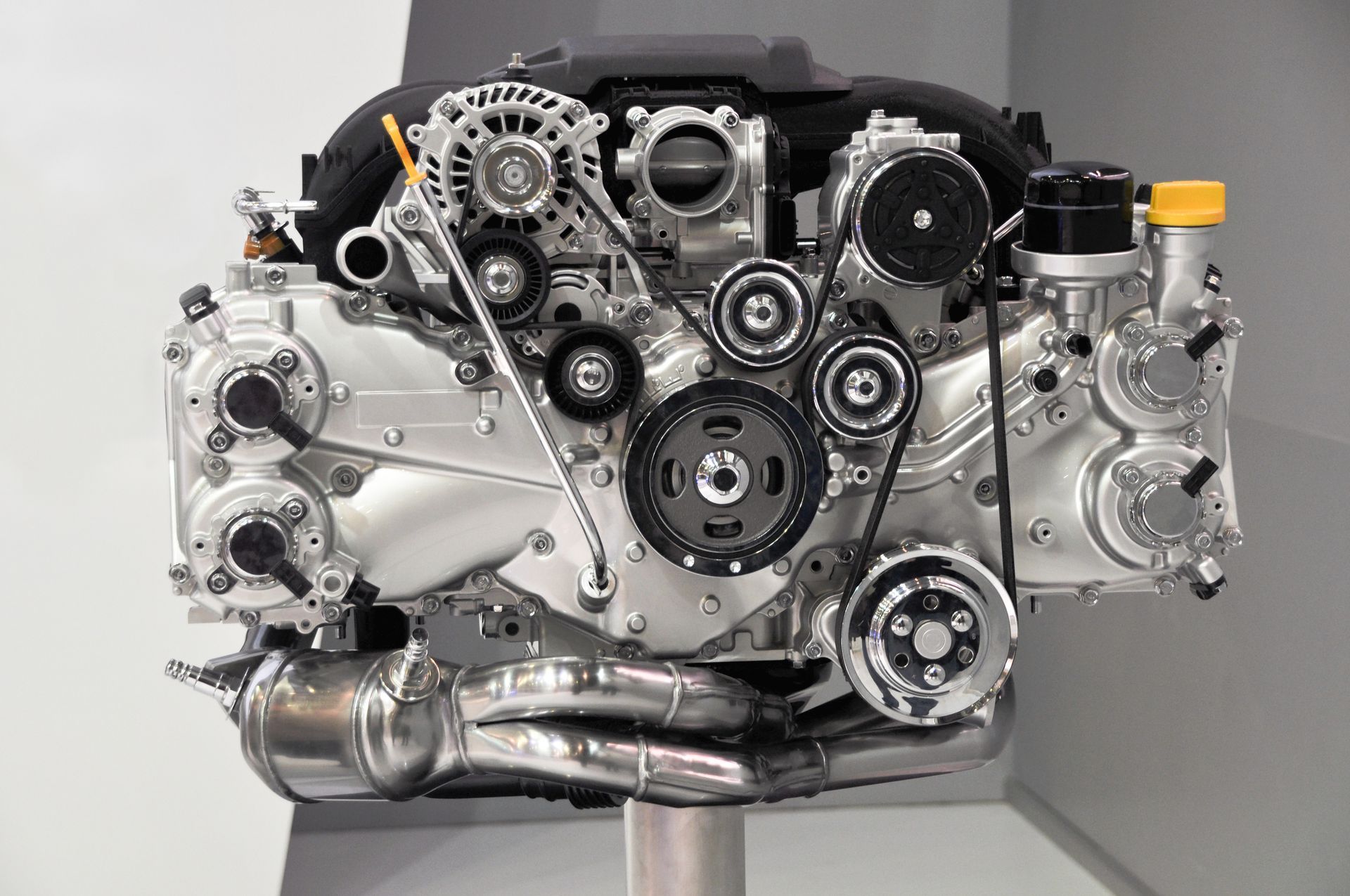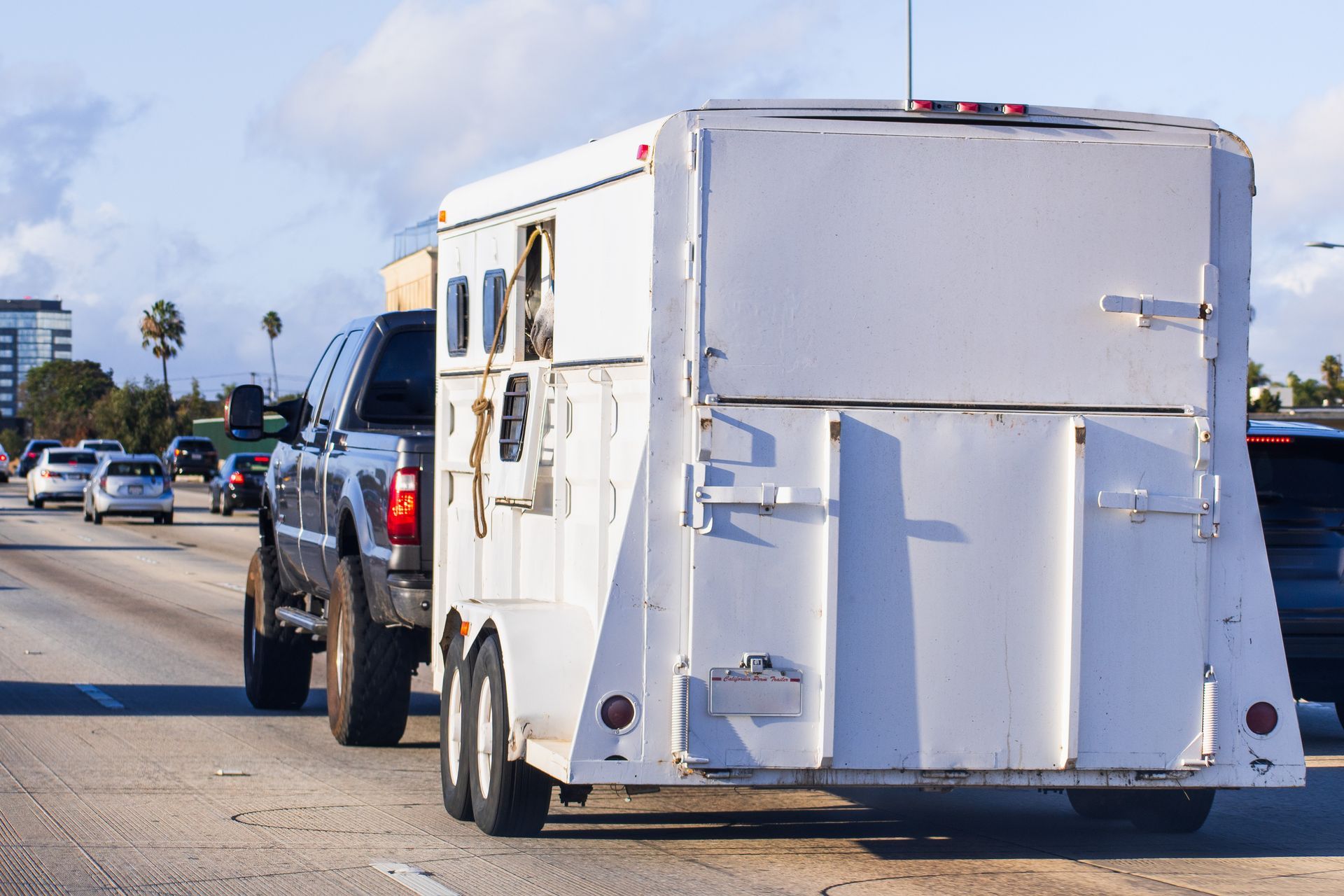
Heavy-duty pickups spend their working lives pulling trailers, hauling equipment, and covering long distances. The Duramax 6.6L turbo-diesel has earned a strong following among owners who need substantial low-speed pulling power, particularly in Chevrolet Silverado HD and GMC Sierra HD trucks. But the engine's reputation is about more than one horsepower figure. Different generations have different hardware and service needs, and getting dependable work from any of them takes proper maintenance.
Low-RPM Torque Is a Major Reason Owners Choose It
Diesel engines are well suited to applications that demand substantial torque without constantly running at high engine speed. The Duramax 6.6L combines a turbocharger with direct fuel injection to produce strong pulling power across a broad operating range. That helps a loaded pickup accelerate onto a highway, climb a grade, and maintain speed while towing within the truck's rated capacity.
Current factory ratings show how far the design has developed. General Motors lists the newer L5P version at up to 470 horsepower and 975 lb-ft of torque in relevant heavy-duty truck applications. Older Duramax 6.6L generations have different ratings and components.
The Duramax generation makes a difference. A horsepower figure or repair tip for a current 6.6L engine doesn't automatically apply to an older truck you're considering.
The 6.6L Duramax Has Evolved Through Generations
Owners use the Duramax name for several engine generations developed over more than two decades. Major changes have involved fuel injection systems, turbochargers, emissions controls, and engine hardware. Parts and service procedures differ among Duramax generations, so a familiar symptom doesn't always have the same cause. Service information tied to the engine code and model year is essential for accurate repairs.
A used truck with a clear maintenance and repair history gives a better picture than mileage alone. Service history and the equipment on your particular truck tell you more about future upkeep than the engine badge alone. If the owner has changed turbo components or engine software, that history affects testing. Keeping the factory emissions and control systems functioning correctly is part of reliable diesel operation.
Turbocharging Helps When the Truck Is Loaded
The turbocharger uses exhaust energy to compress incoming air, helping the engine deliver the air needed for power under load. Charge-air pipes, the intercooler, clamps, sensors, and control actuators all influence that process. A split hose produces a hiss and reduced boost even when the turbocharger itself is healthy. A turbo bearing or actuator fault requires a different repair.
Does the truck feel strong when empty but weak while climbing with a trailer? That clue helps us compare boost, fuel delivery, and exhaust-system behavior under the right conditions. We inspect the intake path and related control readings before advising expensive replacement parts. Clean, unrestricted airflow and proper filtration support turbocharger life, especially on trucks driven in dusty work environments.
Modern Fuel Injection Supports Power and Control
High-pressure common-rail injection delivers precisely controlled fuel quantities to the cylinders. This supports torque, cold starting, and emissions performance, but it also makes fuel quality and filtration especially important. Water and debris in the fuel damage sensitive pumps and injectors, making fuel filtration especially important. A truck with hard starts, uneven idle, or reduced power needs testing before an injector replacement is considered.
Fuel filter records, fuel pressure, and related engine data help separate maintenance needs from a genuine injection problem. High-pressure diesel lines are dangerous to work around, so suspected leaks demand professional handling. Parts compatibility and cleanliness are critical during repairs. Fuel contamination often reaches several costly components at once, which is why clean fuel is central to a dependable work truck.
Towing Reliability Depends on Cooling and Lubrication
Pulling a heavy trailer increases heat in the engine, cooling system, and transmission. Radiator condition, water pump operation, coolant quality, and engine oil specification all influence how the powertrain handles those demands. A small coolant leak often stays hidden during light commuting but becomes serious when the truck climbs a grade with a trailer. The same applies to a developing charge-air leak or fluid loss.
A routine inspection before a demanding hauling season helps identify seepage, aging hoses, and overdue fluid services. Frequent towing and idling call for a close look at the manufacturer's severe-duty maintenance schedule. A single interval doesn't fit every truck.
Long idling periods and regular towing call for a different service plan from unloaded highway driving. Correct maintenance protects the systems that let the engine deliver its power repeatedly.
Emissions Equipment Is Part of the Complete Engine
Later Duramax generations use equipment such as exhaust gas recirculation, diesel particulate filtration, and selective catalytic reduction. These systems work together with engine controls to manage emissions. A regeneration warning or reduced-power message can have several causes, including sensor issues, airflow faults, and excessive soot. Replacing the filter without fixing what loaded it often brings the warning back.
We evaluate emissions codes alongside engine operation and the truck's driving history. Frequent short trips and interrupted regeneration can create different service patterns from long highway hauls. Disabling or removing required emissions components isn't a legitimate maintenance strategy. The goal is reliable pulling power with the complete engine system operating as designed.
What to Check Before Buying a Used Duramax Truck
A used Duramax often has plenty of working life left, but its service history and previous workload determine the risk. Towing history, hours spent idling, fluid service records, and repairs to fuel or cooling components all belong in the review. A pre-purchase inspection should include the complete truck, not just the engine. Transmission behavior, differentials, steering parts, and trailer-related equipment carry heavy loads too.
Pay particular attention to these items:
- Engine generation and matching service records
- Fuel filter history and signs of contamination
- Coolant and engine oil leaks
- Turbo boost performance and intake hoses
- Emissions warnings and stored fault history
- Transmission and driveline condition under load
The best pickup isn't automatically the one with the lowest mileage. It's the truck whose current condition and service needs fit the work you expect it to perform.
Get Duramax Diesel Maintenance and Inspection in Clayton, WA, With Deer Park Diesel
Deer Park Diesel in Clayton, WA, works with diesel truck owners on engine performance, fuel systems, cooling concerns, and maintenance planning. Your exact Duramax generation guides the inspection and the service plan that follows.
Schedule your diesel truck appointment online, or call
Deer Park Diesel with your maintenance needs.