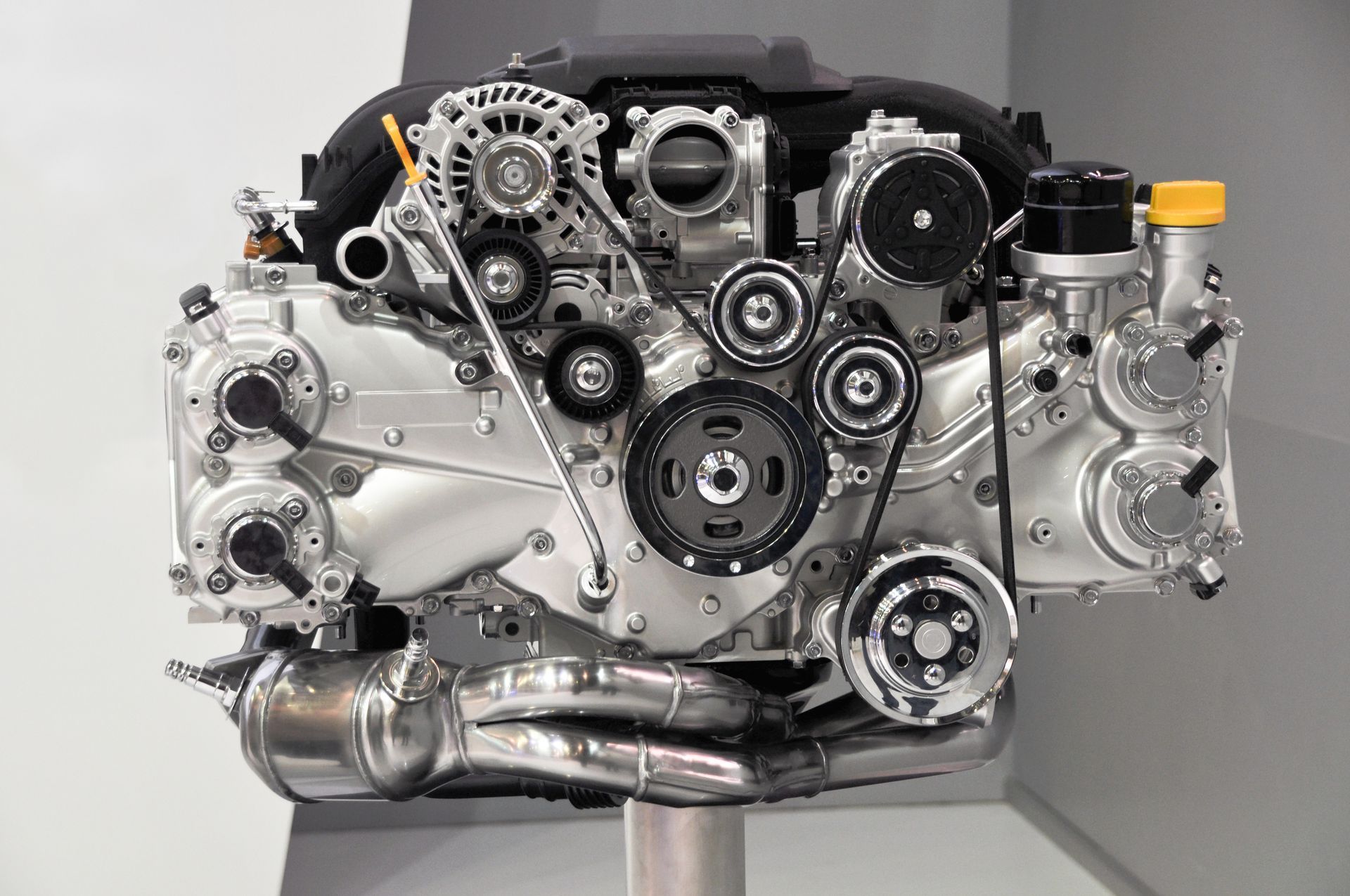
A Ford Power Stroke that starts easily in the morning but refuses to restart after a drive is giving you a useful diagnostic clue. Something changes as the engine, oil, fuel system, starter, or electrical components reach operating temperature.
You might stop for fuel, shut the truck off for ten minutes, and come back to an engine that cranks but will not fire. Let it cool for a while, and suddenly it starts again.
At Deer Park Diesel in Clayton, WA, we want to reproduce that hot no-start condition whenever possible. Testing the truck while the failure is happening tells us much more than checking it after everything has cooled down.
The Power Stroke generation also changes the diagnostic path. The 7.3L and 6.0L use high-pressure engine oil to operate the injectors, while the 6.4L and 6.7L use common-rail fuel injection.
Common Power Stroke Hot-Start Problems
1. The 6.0L Cannot Build Enough High-Pressure Oil Pressure
Symptoms:
- Starts normally when cold
- Cranks without firing when hot
- Longer warm restart times
- Starts again after cooling
- Hot-start problem gradually becomes more frequent
- Injection-pressure-related fault codes
Causes:
The 6.0L Power Stroke relies on high-pressure engine oil to operate its injectors. During cranking, the system must build enough pressure before injection can begin.
As engine oil heats up, it becomes thinner. An internal oil leak that causes little trouble when the engine is cold can become much more significant after the truck reaches operating temperature.
A worn high-pressure pump is one possibility, but internal leakage and pressure-control problems can create similar symptoms.
Fixes:
- Monitor high-pressure oil data during the failed start
- Compare commanded and actual pressure
- Check for internal high-pressure oil leaks
- Test pressure-control components
- Verify high-pressure pump operation
- Repair the actual leak before replacing unrelated parts
- Retest the truck fully warmed
Replacing the high-pressure pump without testing the rest of the system can leave the original problem unresolved.
2. Engine Oil Level And Condition Can Affect Starting
Symptoms:
- Extended cranking
- Hot no-start complaints
- Low engine oil level
- Oil being added frequently
- Unknown or overdue oil service history
Causes:
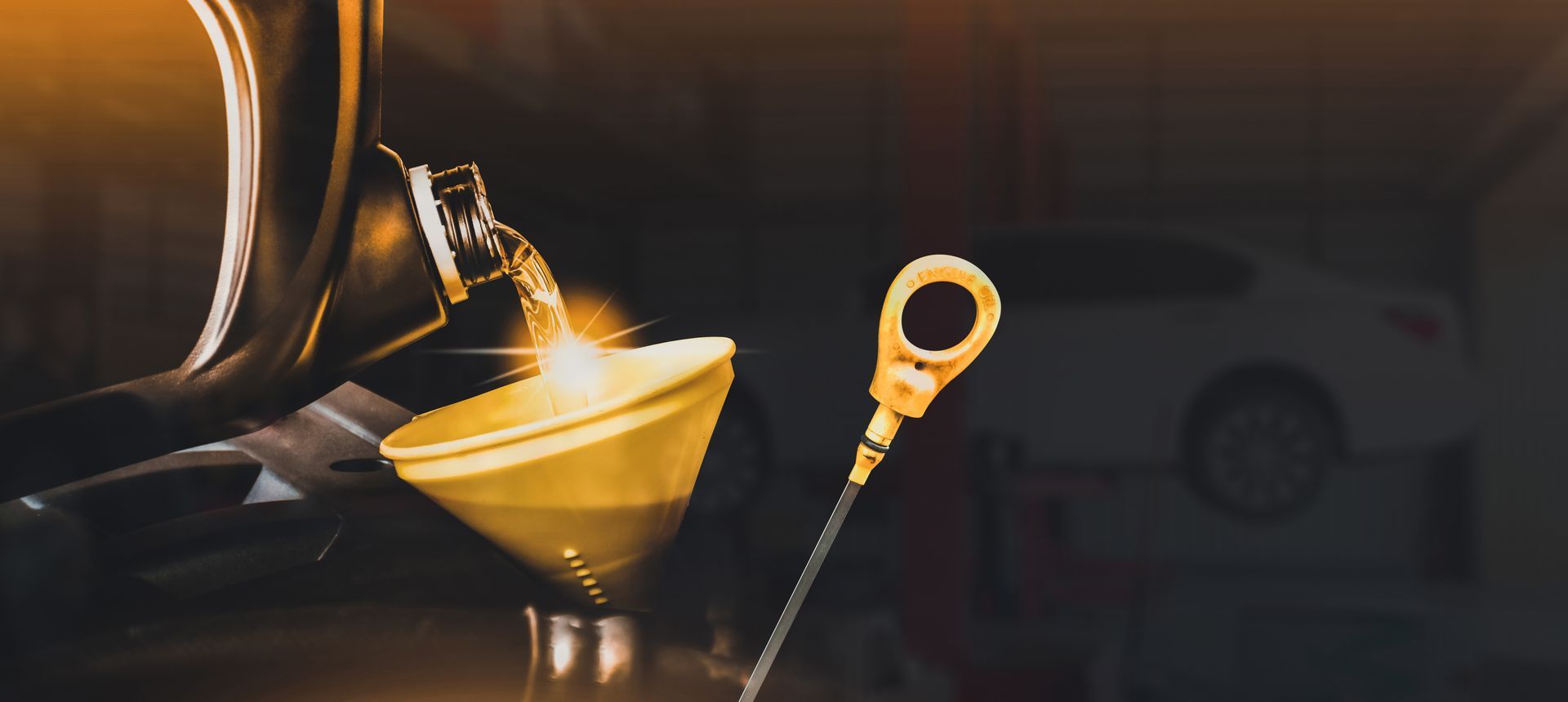
In oil-actuated Power Stroke engines, engine oil does more than lubricate bearings and moving parts. It is also involved directly in injector operation.
Oil level, viscosity, condition, and supply therefore become part of a hot-start diagnosis.
If the oil level keeps dropping, we also need to determine why.
Possible causes include:
- External oil leaks
- Oil consumption
- Crankcase ventilation problems
- Turbo-related oil loss
- Internal engine wear
Fixes:
- Verify the engine oil level
- Confirm the correct oil specification
- Review recent oil service history
- Check the base oil supply
- Inspect for external leaks
- Review oil consumption between services
If you regularly add oil, tell us approximately how much and how many miles pass between top-offs.
3. A Hot Starter Or Weak Electrical System Can Reduce Cranking Speed
Symptoms:
- Starter sounds slower when hot
- Truck cranks normally when cold
- Warm restart sounds labored
- Batteries weaken after several attempts
- Truck starts again after sitting
Causes:
A diesel engine needs enough cranking speed for the injection system to begin working properly.
Heat can expose problems involving:
- A worn starter
- Weak batteries
- Corroded battery terminals
- Poor grounds
- Loose cable connections
- Excessive resistance in battery cables
A truck that turns slowly needs a different diagnosis than one that cranks normally but never fires.
Fixes:
- Compare cold and hot cranking speed
- Load-test both batteries
- Check cranking voltage
- Perform voltage-drop tests
- Inspect engine and chassis grounds
- Test starter performance while hot
Repeated long starting attempts can drain the batteries and overheat the starter, making the original problem harder to identify.
4. Later Power Stroke Engines May Not Build Enough Fuel Rail Pressure
Symptoms:
- Normal cranking with no start
- Long hot restart
- Low fuel pressure codes
- Stalling followed by a no-start
- Loss of power before the failure
- Actual rail pressure stays below commanded pressure
Causes:
The 6.4L and 6.7L Power Stroke use high-pressure common-rail injection instead of the oil-actuated system used on earlier engines.
For these trucks, we need to determine whether enough fuel reaches the high-pressure system and whether the engine can build the rail pressure required for starting.
Possible trouble areas include:
- Low-pressure fuel supply
- Restricted fuel filters
- High-pressure pump operation
- Pressure-control components
- Excessive injector leakage
- Fuel contamination
- Sensor or wiring faults
Fixes:
- Check low-pressure fuel supply
- Inspect fuel filters
- Compare commanded and actual rail pressure
- Test pressure-control operation
- Check injector leakage when indicated
- Inspect for fuel contamination
- Follow the correct procedure for the exact engine and model year
A low rail pressure code does not automatically mean the high-pressure pump has failed.
5. Heat Can Affect Sensors, Wiring, And Synchronization
Symptoms:
- Truck will not restart after being shut off hot
- Intermittent stalling
- Starts again after cooling
- Engine-speed data looks abnormal while cranking
- Synchronization-related codes
- Problem becomes worse as underhood temperature rises
Causes:
The engine computer needs accurate crankshaft, camshaft, and engine-speed information before it can control injection correctly.
Sensors, wiring, connectors, grounds, and control circuits can develop faults that appear only when components become hot.
A sensor can work normally during a morning start and then fail after an hour in a hot engine compartment.
Fixes:
- Monitor engine-speed data during cranking
- Check synchronization information
- Inspect wiring and connectors
- Test power and ground circuits
- Review stored and pending codes
- Compare cold and hot sensor behavior
- Reproduce the hot failure before replacing components
A fault code provides a direction for testing. It does not automatically prove that the part named in the code description needs replacement.
How Deer Park Diesel Checks A Hot-Start Power Stroke
Our inspection depends on the engine generation and the way the truck behaves during the failed restart.
Testing include:
- Identifying the exact Power Stroke engine
- Reproducing the hot no-start
- Comparing cold and hot cranking speed
- Scanning stored and pending codes
- Reviewing live data while cranking
- Testing both batteries
- Checking starter operation
- Performing cable voltage-drop tests
- Checking engine-speed and synchronization data
- Verifying engine oil level and condition
- Checking high-pressure oil operation on applicable engines
- Looking for internal high-pressure oil leaks
- Checking low-pressure fuel supply
- Comparing commanded and actual rail pressure
- Inspecting wiring, connectors, and grounds
The goal is to determine which starting requirement disappears once the truck gets hot.
Information That Helps Us Diagnose The Problem
Before your appointment, make a note of:
- Whether the engine cranks slowly or normally
- How long you drove before the failure
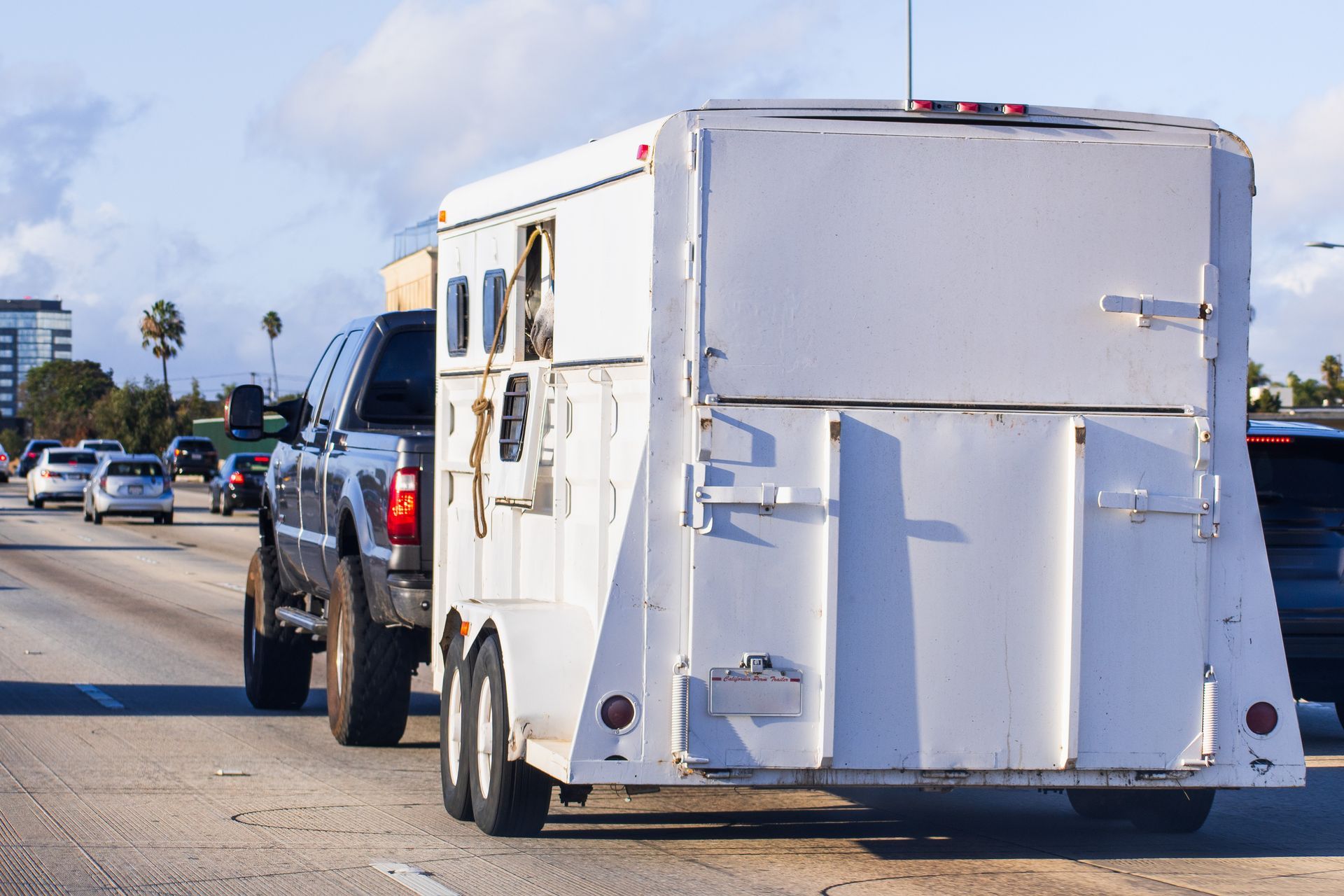
- Whether towing makes the problem worse
- Whether a short fuel stop triggers it
- How long the truck needs to cool before restarting
- Whether it stalls while driving
- Any oil you regularly add
- Recent fuel-system repairs
- Recent injection-system repairs
- Battery or starter replacement history
- Dashboard warnings or fault codes
- Whether the truck has been modified or tuned
A repeatable pattern can save significant diagnostic time.
Avoid Repeated Cranking
If your Power Stroke refuses to restart, repeatedly holding the key can create additional problems.
Long starting attempts can:
- Drain both batteries
- Overheat the starter
- Reduce cranking speed
- Create low-voltage faults
- Make diagnosis more difficult
Do not loosen high-pressure common-rail fuel lines to check for fuel. Modern diesel injection systems operate at pressures that require specialized procedures.
Avoid starting fluid unless the engine manufacturer specifically permits its use with that engine and intake-heating system.
Schedule Your Power Stroke Hot-Start Diagnostic In Clayton, WA
If your Ford Power Stroke starts cold but won't restart once the engine heats up, bring it to Deer Park Diesel for proper testing.
We service diesel trucks throughout Clayton, Deer Park, Spokane, Nine Mile Falls, Loon Lake, Chewelah, and Colville.
Contact
Deer Park Diesel to schedule Power Stroke starting-system diagnostics before the next hot restart leaves your truck parked.